


Table of Content
Summary
"Tech investor" covers a dozen different categories
AI funds, deep tech funds, climate investors, and corporate VCs all use the same label. Most founders treat them as interchangeable. They aren't.
[01]
Q1 2026 records mask a bifurcated market
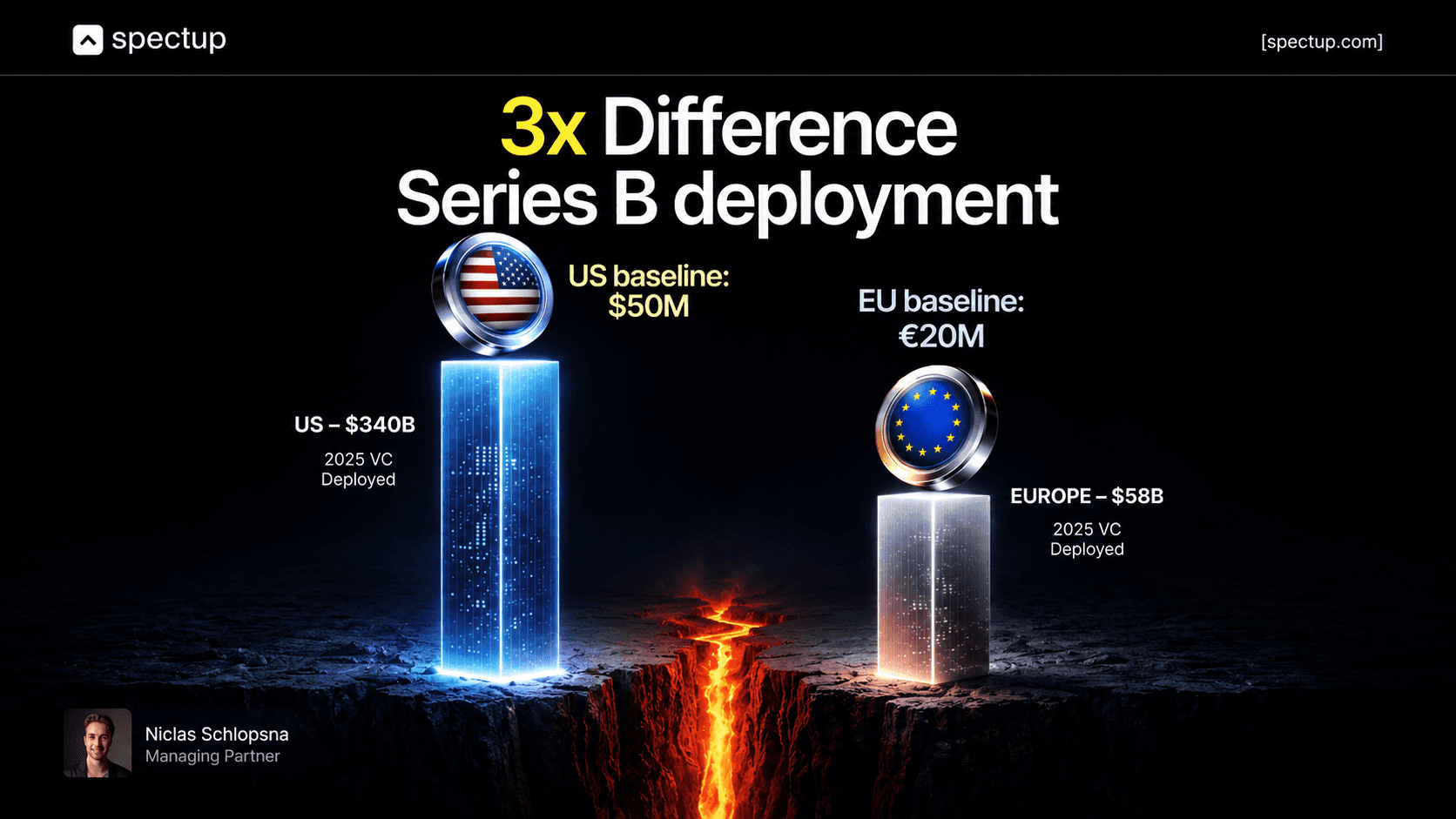
$300B was invested globally in Q1 2026, but $242B went to AI companies. Non-AI tech founders are competing for the remaining $58B.
[02]
Qualify investors before they see your deck
Five questions about stage, geography, thesis recency, portfolio conflicts, and deployment timeline eliminate 70% of your initial list. That's the goal.
[03]
Build investor relationships six months before you raise
Warm introductions convert at 10x the rate of cold outreach. Start early. By the time you need capital, the best investors should already know you.
[04]
Tech investors evaluate differently than generalist VCs
They stress-test your technical defensibility first, then capital efficiency, then team credentials. Flashy TAM doesn't overcome weak architecture or bad unit economics.
[05]
Recent data showed $300 billion invested in startups globally in Q1 2026. That's an all-time record. Founders saw the headline and felt relief.
The market had opened again.
Then look at where the money actually went: $242 billion, roughly 80%, went to AI companies. Four mega-rounds alone accounted for $188 billion.
OpenAI raised $122 billion. Anthropic raised $30 billion. The entire non-AI technology sector fought over what was left.
That's what happened when you only look at the headline. Most founders don't dig deeper, they see "$300B in startup funding" and assume the market is open. They build an investor list of "tech investors."
They assume anyone who funded a tech company is a potential backer. And then they spend three months pitching 60 investors and hit a 3% conversion rate. If you're raising for a tech startup that isn't an AI company, you're not competing in a $300 billion market.
You're competing in the remaining $58 billion, alongside every fintech, climate tech, deep tech, and software startup on the planet. And the tech investors chasing that pool are far more selective than they were 24 months ago. They have options: they can fund AI.
Why would they fund something else?
That's the market context. Now let's talk about what founders get wrong when they target investors within it. At www.spectup.com, we've helped dozens of founders solve this exact problem with investor targeting resources.
What "tech investor" actually means in 2026?
The category doesn't exist. It's a label describing half a dozen distinct investor types with completely different thesis parameters, check sizes, diligence expectations, and return timelines.
An AI fund and a climate fund both use the same label. But they're operating on completely different theses. Lumping them together is the list-building mistake that costs founders six months of wasted outreach.
Here's what the major categories look like:
AI and software funds: Fast-moving thesis. In 2026, they want deployment and real user adoption, not model capability alone. Typical check: $2M–$50M+. Focused on defensible software architectures and clear unit economics.
Deep tech funds: Long-horizon bets on proprietary science or engineering. Battery chemistry, quantum computing, novel materials. These funds hold for 8–12 years. Typical check: $5M–$30M. Now heavily aligned with defense and government contracts.
Climate and green tech investors: Bifurcated between software climate plays (fast diligence) and physical infrastructure (slower, needs government contract validation). Typical check: $3M–$20M. 2026 thesis shift: ESG alone is insufficient. Commercial viability and industrial partnerships are now required.
Corporate venture capital (CVC): Strategic fit matters as much as returns. CVC portfolios come with distribution advantages and occasional conflicts. Typical check: $1M–$15M. Usually stage-agnostic but thesis-driven.
Sector-agnostic growth funds: Not really "tech investors" at all, but often lumped in. They care about revenue growth and unit economics, not what the technology does. Typical check: $3M–$50M. These are the most pragmatic but least impressed by pure innovation.
Before any investor touches your list, know which category they're really in. Most investor websites are too broad. Deal history doesn't lie. Check Crunchbase or Dealroom to see investor portfolio composition and verify their actual category thesis.

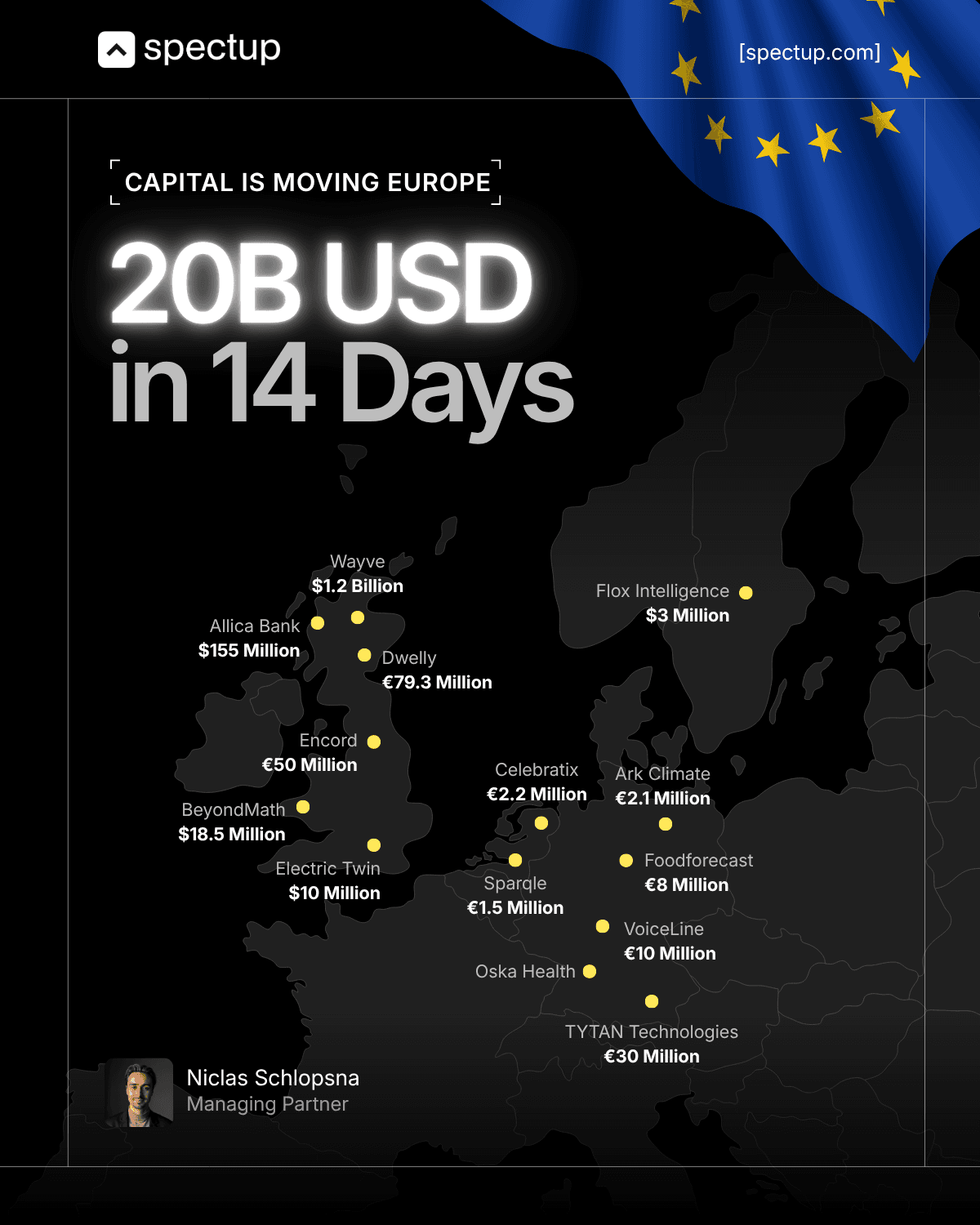
Why the 2026 funding records are misleading for most founders?
That bifurcation isn't just AI. It's capital consolidation. Fewer companies are getting bigger checks while everyone else competes for scraps.
Your stage determines which investors should be on your list. Early-stage investors don't write $5M checks.
In Q1 2026, late-stage deals grew 205% year-over-year, while seed deal count actually fell 30%. More capital is chasing fewer, later-stage companies.
According to TechCrunch noted that "investors placed bigger, bolder, and riskier bets on a smaller cohort of companies." For early and mid-stage startups, this matters.
The pool of active investors in the sub-$20M round is shrinking.
More capital concentration means fewer Series A and seed stage checks.
Partners who wrote 3 checks per quarter now write 1. They've gotten deliberate, thesis-driven, intolerant of unqualified decks.
The Q1 2026 headline number is real. But 80% of it is concentrated in companies most founders aren't competing with. The relevant market for your raise is much smaller, and the investors working that market are far more selective than the headline implies.
Building an investor list takes discipline. Spectup's investor outreach service helps founders execute this targeting process at scale with proven qualification methodology.
How these investors evaluate companies differently than generalist vcs
Sector thesis evolves, sometimes fast. When BNPL was the hottest category and Klarna was valued at $45.6 billion, dozens of funds declared themselves fintech investors. Eighteen months later, Klarna's valuation had collapsed 85% and those same funds were pausing.
The point: investors in 2026 aren't the same investors from 2022, even if the fund name didn't change. You've got to check their deal history in your category before adding them to your list. Access Crunchbase or PitchBook to verify recent deal activity in your sector.
Technical due diligence is real and happens early. A generalist evaluates the market and team. A tech investor in deep tech or AI will tear into your architecture, test technical assumptions, bring in experts. This happens before any term sheet conversation.
I've watched founders walk into meetings expecting a market-size conversation and get hit with questions about model training data provenance, battery cell degradation curves, or algorithm performance on edge cases. The meeting ended. Not because the answers were wrong, but because the founders weren't ready for the conversation.
What founders prepare for | What tech investors actually test |
|---|---|
Market size (TAM/SAM/SOM) | Technical moat and replication difficulty |
Revenue and growth metrics | Unit economics and burn multiple |
Team background | Operator credentials in the specific domain |
Traction slide | Customer retention and cohort behavior |
Product demo | Technical architecture review |
Look at the first row. Founders spend four slides on TAM expansion, addressable markets, wedge strategies. "We're attacking a $50 billion market." They expect this to impress. But most don't care.
They ask:
Can someone else build this?
If your business model is "we built a tool that does X," and X is straightforward engineering, then yes, someone can replicate it. Probably for less money.
That's not a win. Look at the second row, founders track monthly recurring revenue, customer growth, all the growth metrics. Most do a unit economics analysis.
They calculate CAC, LTV, and payback period. If you're spending $8M to generate $2M ARR, that's a broken unit economics problem. They see this and they pass.
Growth without efficiency is a liability, not an asset. Look at the third row. Founders talk about pedigree: "Our CEO was at Google, our CFO was at Stripe." They want domain credentials.
Did your team solve this specific problem before?
3 ex-Google engineers building an AI infrastructure tool is different from 3 ex-Google engineers building their first climate tech company. The first has domain scar tissue.
Founders assume investors evaluate the business first, tech second. In reality, defensibility of your technical approach is the first filter. A business that someone else can replicate in 6 months doesn't pass.
They lead with technical due diligence because capital efficiency and team credentials can change. But if the moat is fake, nothing saves the deal.
What founders get wrong when targeting tech investors?
Founders assume all "tech investors" have the same thesis
An AI-driven recruitment startup came through our network about a year ago. The founder had identified 30 investors on LinkedIn with AI interest:
All self-described as interested in AI
All with relevant portfolio logos on their profiles.
He was six weeks from starting outreach to tech startup investors.
The problem: he was based in Australia, raising $1.1M at pre-product stage. Half the investors on his list were US-focused and didn't write sub-$2M checks. Three were APAC-focused funds he hadn't heard of that would have been legitimately warm leads.
The list had the wrong names and was missing the right ones. When we rebuilt his list using deal history backtracking, 22 of the original 30 came off. He ended up with 12 qualified investors.
7 APAC-focused seed funds, 3 US funds with explicit international commitments, and 2 Australia-only operators. He opened conversations with all 12.
His conversion rate was 50%. The original spray-and-pray approach would have been 3–5%. Founders Assume: any VC that's funded a tech company is a potential backer.
In Reality: AI-focused funds won't write checks for climate hardware. Deep tech funds don't care about B2B SaaS. Corporate venture arms prioritize strategic fit, not pure returns.
Founders assume investor websites reflect current activity
An AI social impact company came to us after being turned down by 14 VCs in two months. Their product: a platform that modeled societal outcomes using AI, with a government contract as validation. They'd spent two months on outreach and had 14 meetings, zero progressed to a second conversation.
Every VC conversation went the same way: two meetings then a pass, citing "unclear commercialization path." The tech wasn't the problem. The investor type was wrong. They were pitching growth-stage VCs who wanted SaaS metrics.
The government contract was strong validation. To software-focused investors, it read like a red flag: why would a smart team take government money if they believed in venture upside? We rebuilt their list entirely.
Instead of traditional VCs, we looked for:
Family offices with impact mandates
Government-adjacent capital.
Same company, same tech, different investor type.
The first family office meeting went 2 hours. The impact fund sent a term sheet after the second meeting. They closed in 6 months with no traditional VC on the cap table.
The outcome was better than a traditional raise. Founders Assume: investor websites tell you their current strategy. In Reality: a fund's 2024 thesis tells you almost nothing about 2026 deployment.
A fund talking about "impact investing" might be 70% climate and 30% social impact. Their last 5 deals were all climate. Mismatch.
You're pitching them on social. Mismatch.
Founders assume cold outreach works if the pitch is good
A fintech founder mapped 12 target investors and started building relationships 6 months before she had a round to open. Not asking for money. Sharing product updates, asking for specific advice, sending relevant industry news with a two-sentence take.
By month 4, 3 of the 12 had responded substantively. By month 6, she'd had 1 exploratory call with each of the 3. When she was ready to raise, she didn't send a cold deck to strangers.
She sent a warm note to people who'd been watching her build. 1 committed before the formal process started. 2 more came in during the first week of outreach.
The round closed in 9 weeks.
Founders Assume: a great pitch deck converts regardless of how I contact investors. In Reality: cold outreach converts at 3–5%. Warm outreach from founders who've been sharing progress converts at 30–50%.
The math is obvious. Yet most founders treat fundraising as an event, not a process.
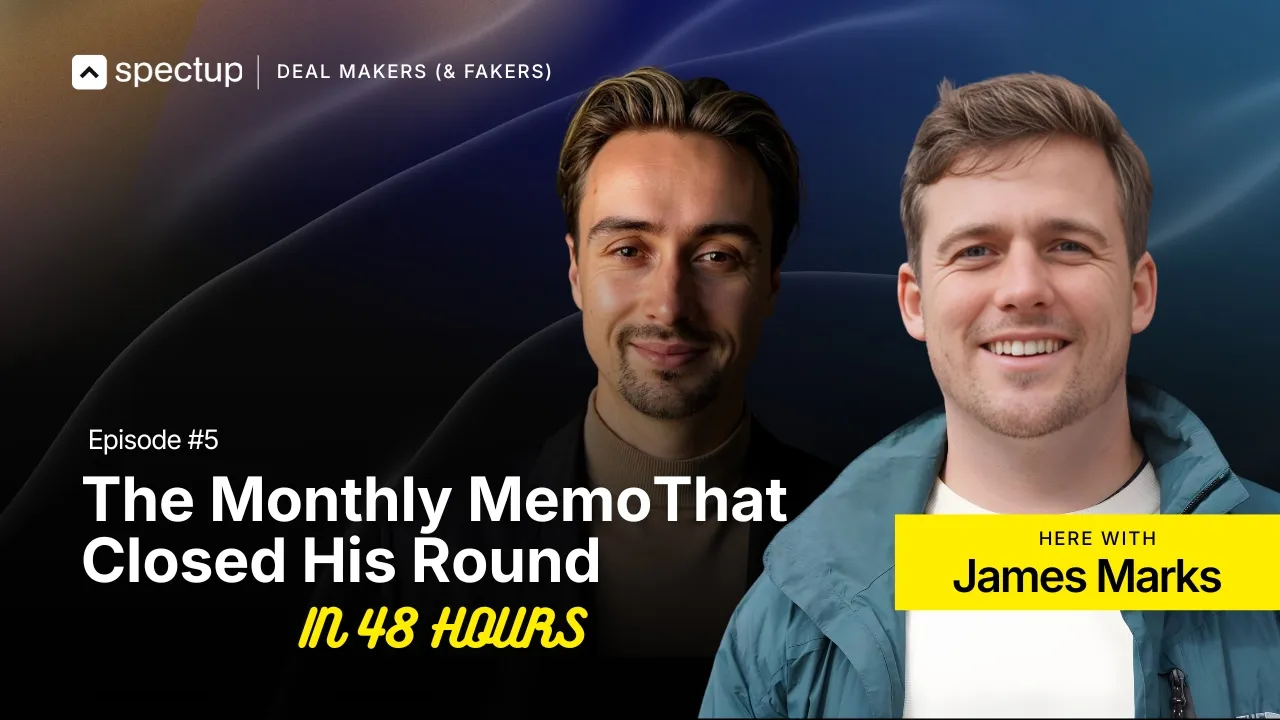
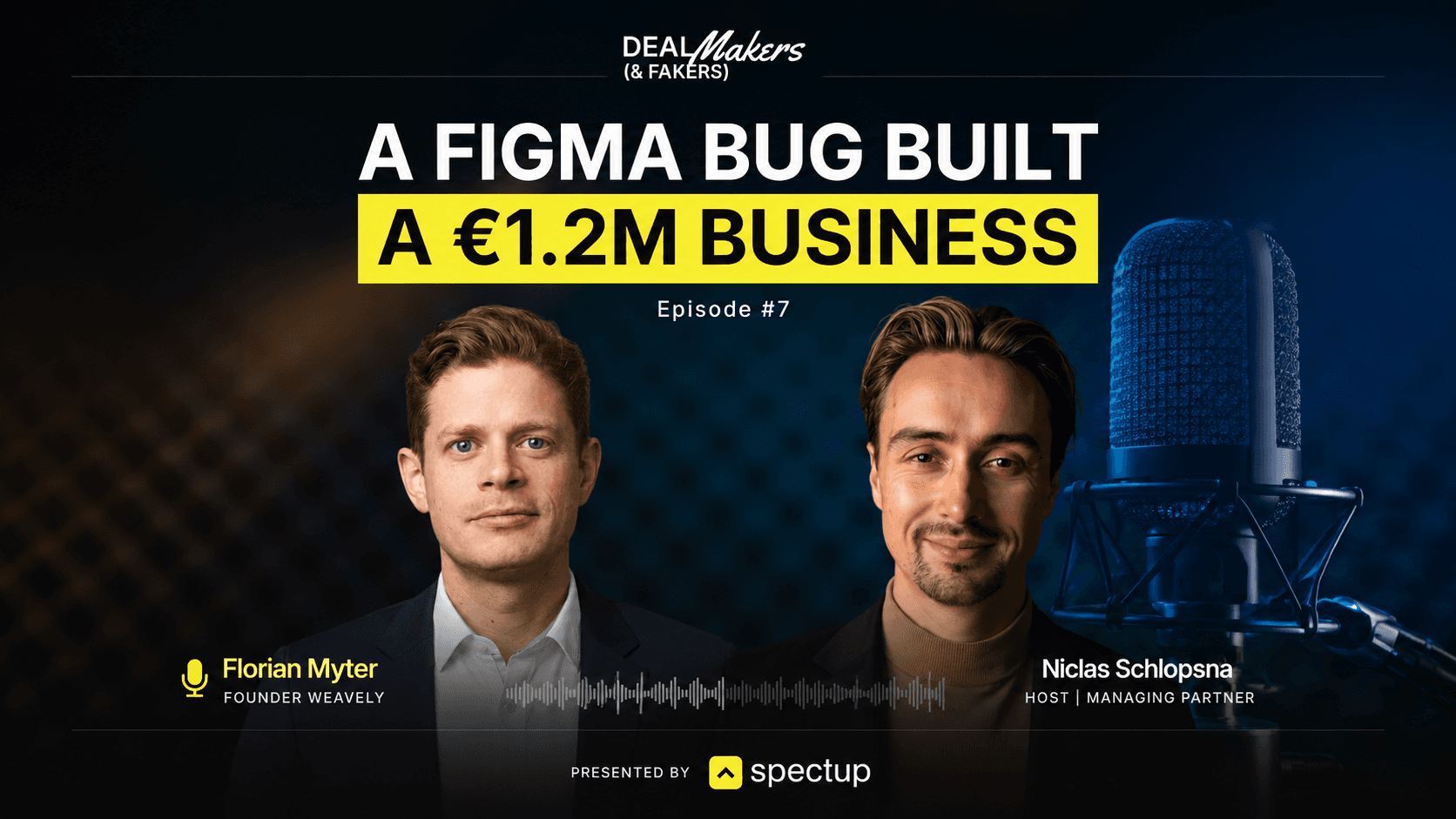
I had a talk with a founder, who raised money in 48 hours using the strategic cold outreach. Here is the complete podcast video:
Deep tech investors vs AI investors vs climate tech investors
These 3 categories operate on completely different structures. Conflating them is one of the fastest ways to blow through your list without a single conversion. An investor who leads AI deals will pass on deep tech.
A green tech investor or climate fund will pass on pure software. Understanding which category you belong to is foundational.
Investor type | Typical check size | Usual stage | Primary diligence focus | 2026 thesis shift |
|---|---|---|---|---|
AI investors | $2M–$50M+ | Seed to Series B+ | Deployment, enterprise adoption, data moat | From model capability to real-world usage; from discovery to execution |
Deep tech investors | $5M–$30M | Seed to Series B | Technical IP, team credentials, government/enterprise pilots | Defense adjacency increasingly attractive; government contracts now function as traction proof |
Climate tech investors | $3M–$20M | Seed to Series A | Commercial traction, regulatory path, cost parity timeline | Selectivity increasing; ESG plus commercial viability both required; pure hardware raises harder without industrial partnerships |
The AI investor is asking:
Does this model work better than alternatives?
Do you have unique data?
Can you prove real-world performance?
They don't care about regulatory timelines or government contracts, they care about deployment velocity and defensibility.
The deep tech investor is asking:
Did you invent something proprietary that's hard to replicate?
Does the government want this?
They don't care about monthly revenue growth, they care about technical defensibility that will hold for 8 years. The climate tech investor is asking: can you achieve cost parity with incumbents? Do you have a buyer at commercial scale?
According to The Branx's 2026 outlook noted that deep tech represents 36% of all European VC funding, with defense and quantum tech gaining share specifically because of geopolitical pressures.
If you're raising for a deep tech company, that context shapes which investors are actively deploying and which have paused. An investor who was active in climate tech in 2023 is now more interested in defense-adjacent deep tech in 2026.
According to OpenVC's deep tech investor database is a reasonable starting point for finding investors in this category, though any directory needs to be cross-referenced against recent deal activity before it goes on your outreach list.
For climate investors specifically maintains a rolling list of active green tech investors and allocators. It's more current than static directories. Climate investors in physical infrastructure now demand industrial partnerships or government validation, two years ago, they didn't.
How to find and qualify tech investors for your startup
The right method for finding these investors starts with deal history, not search results. Most founders search "top tech investors 2026," compile names from blogs and LinkedIn, and call it qualified. Wrong.
Those articles are built for traffic, not for your situation. The most visible investors in tech startups aren't always active in your category or stage. They're not necessarily deploying in your geography or at your stage.
A fund that led 10 Series B rounds doesn't write seed checks, even if the press coverage says they invest in tech.


The process takes discipline. It's a backtracking method, not a forward-facing directory search. Understanding how to find tech investors this way beats using generic platforms.
Identify 10 recent rounds in your category and stage from the last 18 months.
Use Crunchbase, CrowdFundInsider, PitchBook, or press coverage. "Company similar to mine raised $X" is the input.
If you're in climate tech doing hardware, find 10 climate hardware companies that raised seed or Series A in the last year. Track down every press release and funding announcement.Identify the lead investor for each of those rounds. Not the co-investors, not the angels, not the undisclosed SPVs. The lead. That's the person who drove conviction.
They're the first name in the press release or the person who led the round. This is the person whose deal thesis aligned with your company at that moment.Map their fund: Are they still deploying from the same fund? Have they made similar bets recently, or was that deal an outlier?
A fund that led 1 climate deal in 2021 and hasn't touched the sector since isn't a climate tech investor, whatever their website says. Check their last 12 months of deal activity. This is where you separate signal from noise.Check portfolio conflicts: Does the fund already have a direct competitor in portfolio? Many won't tell you, but you can often figure it out from public deal disclosures. Portfolio companies are listed on fund websites. A fund that owns a customer retention tool won't fund another. That's a hard no.
Find the path in: Does the founder of any portfolio company know you, or could they? Warm introductions convert at a fundamentally different rate than cold outreach. Check the portfolio companies' founding teams. Look for second-degree LinkedIn connections. That's your path in.
This takes longer. You'll get 15–25 qualified names instead of 200 randoms. The best investors show up because their deal history proves active conviction, not category ambiguity.
The time investment is front-loaded. You spend 4–6 weeks on list building and qualification. Then you have 16 weeks of outreach against qualified targets instead of 16 weeks of spray-and-pray that hits 40 unqualified investors.
Shorter + qualified beats longer + cold every time.
Five qualification filters before any outreach
Before any investors in tech startups go into your CRM, answer 5 disqualifying questions. Missing one filter leads to dead ends. Missing multiple leads to months of wasted time.
The five core disqualifiers: stage, geography, thesis, conflicts, and deployment
Stage fit:
Does this investor write checks at your round size, or are they 2 stages away?
A fund that does $20M–$100M Series B checks is not a seed investor, no matter what their website claims. Check their last 10 deals.
If all are $15M+, you're not a fit for a $1.5M round. Move on.
Geography:
Are they actively deploying in your country or region?
Deal history shows this better than websites. A "global" fund that hasn't funded any APAC companies isn't global for your purposes.
If you're in Australia raising seed stage, a US-focused fund that made 47 deals in 2025 and none in APAC isn't a live target.
Thesis recency:
Have they made a deal in your category in the last 24 months?
A 2019 thesis isn't active in 2026. If their last climate tech deal was in 2021, they've moved on. If their last AI deal was in Q4 2025, they're actively deploying.
Portfolio conflict:
Do they hold equity in a direct competitor?
That's usually a disqualifier regardless of pitch quality. An investor can't fund two companies in direct competition. That's fiduciary duty 101. Check their portfolio. A fund's portfolio is public.
Deployment timeline:
Is the fund in active deployment, or past vintage?
A 2019 fund that's mostly deployed isn't a live target. If they closed their fund in 2021 and we're in 2026, they're 3 years past deployment. A 2024 fund that just closed is aggressively deploying in Q2 2026.
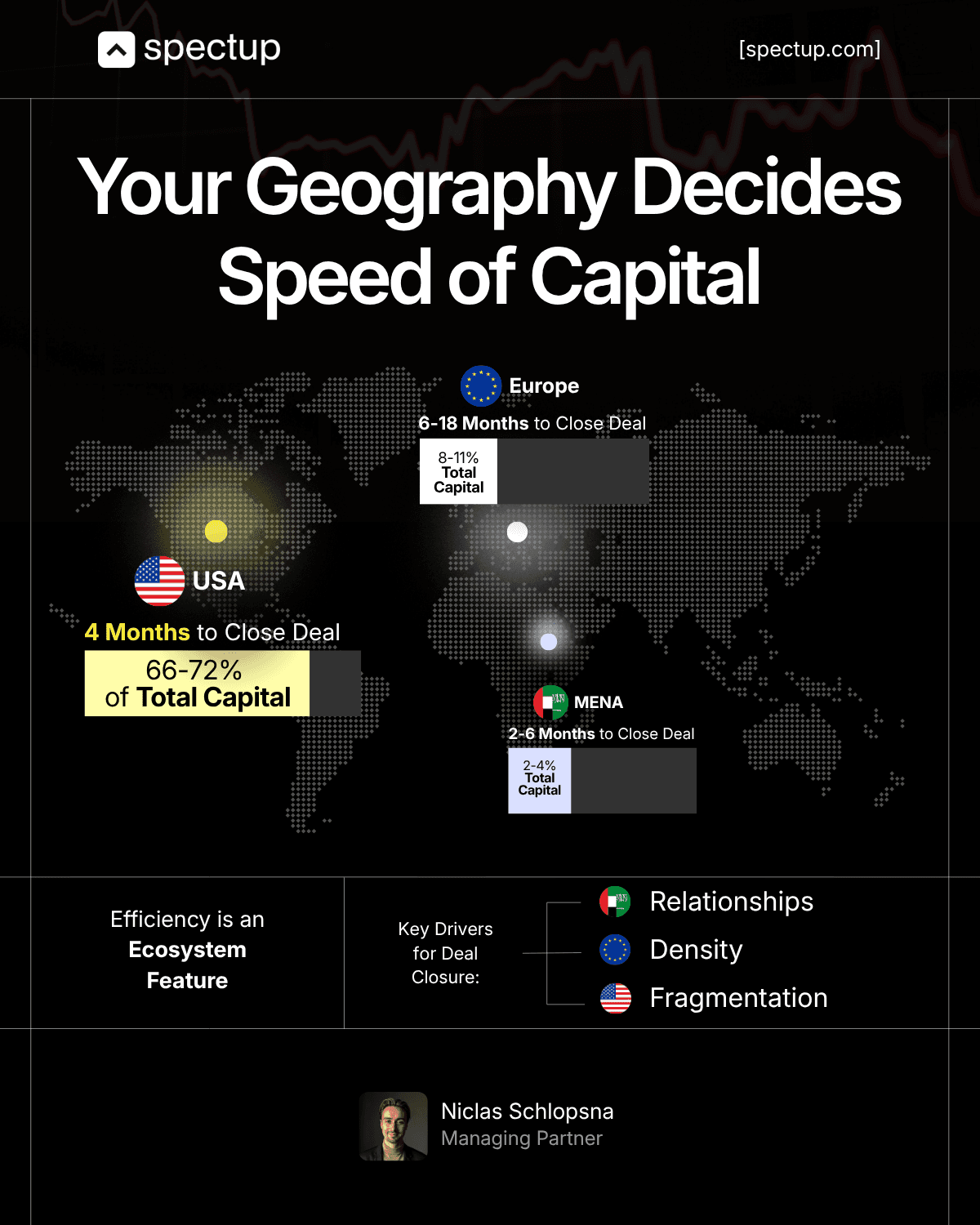
Why disqualification saves months of wasted outreach time?
Score each investor on each filter. Any single "no" pulls them from your list.
This isn't harsh. Tech startup angel investors operate on tighter parameters than generalist VCs.
It's realistic. An investor who doesn't write your check size, doesn't deploy in your geography, or has a competitive portfolio company will pass on you 95% of the time. You're saving weeks by disqualifying upfront.
Most founders learn this the hard way after studying Series A mistakes in their failures.
The 90-day campaign trap: unqualified lists destroy conversion rates
The founders who skip qualification run 90-day outreach campaigns, hit 3% conversion, and then blame the market. In reality, they were pitching 60 investors who could never have said yes. The fault isn't market conditions.
It's the list.
Building pre-fundraise relationships with tech investors
Cold outreach converts at 3–5%. Warm outreach from founders who've been sharing progress converts at 30–50%. The math is brutal in your favor if you start early.
Most founders don't do this. They don't talk to investors until they need money. That's the structural mistake.
By then, you're introducing yourself for the first time, asking for $X million, and competing against 30 other founders who also reached out last week. The right process starts 6–9 months before you need capital.
Find 15–20 qualified investors and send them a brief email: "I'm tracking your fund's work in [sector]. We're solving [specific problem]. Would love to share a quarterly update as we build." Nothing else.
No pitch. Just a request to stay in touch. Then do it: Every quarter, send a two-paragraph email with 1 key metric, 1 customer win, and 1 product insight.
Include a specific ask for feedback: "Should we focus on enterprise or mid-market? Your portfolio mix suggests [X], curious what you're seeing." Not "want to invest?" Just: give me your opinion.
By month 6, 3 of your 15 will have responded. By month 8, you'll have had 1 call with each of 3. By month 10, 1 of them will say, "Keep me posted when you open a round."
When you're ready to raise, you don't send a cold deck to 15 strangers. You send a warm note to people who've been watching you build for 8 months. You've already had one call with 3 of them.
They know your team, your metrics, your traction. The pitch conversation is the 2nd or 3rd conversation with some investors, not the first. Investor warm introductions convert at fundamentally different rates than cold outreach. Your first meetings hit 70%+ conversion, not because your pitch is better.
Because you're not introducing yourself. You're following up.
The founders closing rounds fastest in 2026 are the ones who started 6 months before opening a process. They didn't treat fundraising as an event. If you're planning a raise in the next 12 months, the work starts now.
What to say when you actually reach out
The 45-second email rule: cold outreach timing and investor attention
If the relationship is warm, you've already been talking. If it's cold, assume you have 45 seconds. That's how long an investor takes to decide if your email merits a response.
The best cold outreach to tech investors follows this structure:
One sentence: Personal connection or specific deal they led. "I saw your team led the [Company] Series A in climate tech." This signals you've researched them.
One sentence: Your situation. "[Industry], seed stage, $[X]M ARR." Facts, not vision.
One sentence: Why them specifically. "Your portfolio in [sector] suggests you understand [specific problem we solve]." This is not "you invest in tech." It's specific.
One sentence: Soft ask. "Would love 20 minutes to get your take on whether the market is moving our direction." Not "want to invest?" Just: help me think.
Total: 4 sentences. Subject line should mention the specific deal or partner intro if applicable: "Intro from [Name] / [Sector] Climate Tech Founder / 20 min?"
Good vs bad: why 40 words beats vision statements every time
The worst approach: "We're building the Uber for X," 3 paragraphs about your vision, "We're raising $X, interested in meeting?" Nothing specific. No deal reference. No signal that you've researched them at all.
This gets deleted immediately.
Example of good cold outreach to investors in tech startups: "I saw your team led the battery management Series A for [Company] last year. We're solving customer retention for hardware startups at the same stage, currently at $1.4M ARR. Your portfolio tells me you understand the capital efficiency problem hardware teams face. Would love 20 minutes to sense-check whether we're thinking about market fit the right way."
That's 40 words. Specific. Researched. Clear ask. This converts.
The version that doesn't: "We're building the future of hardware sustainability. Our vision is to transform how companies manage their supply chains using AI. We're pre-seed and seeking $2M."
This version is 2% likely to get a response, while the previous example converts at 70%.
Why deal history and portfolio research matter more than your email?
If you're doing this without a warm path: qualification before outreach, every time. When targeting angel investors for tech startups or VCs, know they evaluate you the same way. They check deal history, geography, and category fit before even reading your email.
Cross-reference their deal history against stage and geography, check for conflicts, find portfolio founders who could intro you. The intro matters more than your email.
The timeline that actually works for tech startup investors
6–9 months before you need capital, start the relationship building. 9–6 months out, begin qualification and warm intro pursuit. 3 months before you open, you should have 15–20 qualified tech startup investors and 5–7 existing relationships with people at firms on your list. Research shows warm introductions convert 30-50% of the time, compared to just 3-5% for cold outreach.
When you open, you're not introducing yourself. You're following up with people who've been watching you build. Your goal: 3–4 term sheets in 60–90 days.
That happens because you qualified ruthlessly, moved early, and built relationships before you needed them.
Most founders compress the investor targeting phase into 3 weeks because they're in panic mode. That's when the list quality collapses and conversion rates crater. Finding the best investors for tech startups takes time upfront. The work isn't in the pitch.
It's in the list.
Outreach pacing and follow-up discipline
The difference between successful and failed fundraises often comes down to pacing and follow-up strategy, not list quality. A strong list executed poorly converts worse than a medium list executed with discipline.
Wave-based outreach: why overlapping batches beat simultaneous blasts?
Here's the rhythm that works: Week 1–2, open your outreach wave with 10 investors. These are your top 10 by conviction. Stagger them across the two weeks.
Monday, Wednesday, Friday. Not all at once. An investor sees five cold emails from different founders in the same 48-hour window.
One of them gets read. Four get ignored.
By week two, you should have 2–3 responses and meetings booked for week 3–4. Don't wait for all 10 to respond.
Week 3, open wave two with your next 10 investors. Again, stagger. Now you've got 4–5 meetings booked across weeks 3–4 and another 5 outreach emails going out.
Your pipeline shouldn't look like a single wave, it should look like overlapping batches. While you're in first meetings with wave one, you're sending first outreach to wave two.
While you're closing conversation 2–3 with wave one, you're taking first meetings with wave two.
The 8-day and 12-day follow-up windows: persistence without harassment
On follow-up: no response after a week doesn't mean no.
It means they haven't seen it yet or they're thinking. Send a follow-up after 8 days: "Did my previous email get lost?
I'd love to pick your brain on [specific thing they care about]." Different angle, same ask. If no response after 12 days total, move on. Some investors take two months to respond.
Most don't.
Three meetings, not one pitch: intel, feedback, then ask for capital
When you get a first meeting booked, have a conversation not a pitch. Send them one document: your cap table and financial summary (one page). Nothing else.
When you get on the call, ask about their recent deals, their thesis, what they're seeing in the market. You want intel. They want to know if you're coachable.
After the first meeting, send a 48-hour follow-up email: "Thanks for the time. Your take on [specific thing they said] shifts how we're thinking about [key decision]."
"Planning to do [X] by the end of next month, would love to give you an update." This shows you listened and you're moving fast.
The third meeting is when you ask for money. First meeting was intel and relationship.
Second meeting (if there is one) is feedback on your plan.
Third meeting is the pitch. Most investors don't realize that's how it works. They come to the first meeting ready to pass or move to due diligence.
You're not ready for that yet.
The founders moving fastest are the ones who separate the relationship phase from the pitch phase. They spend two meetings building conviction. Then they spend the third meeting formalizing it.
That's different from founders who show up to meeting one with a deck and ask for money.
Why most founders mess up the investor selection process?
The biggest mistake when targeting tech investors is treating the list as static. You build it once, three months before fundraise, and you're locked in.
That's wrong.
Your list should evolve.
A founder came to us with 25 investors on her list. After three weeks of outreach, it was clear 40% weren't actually deploying. They hadn't funded anyone in her stage or sector in 18+ months.
We pulled eight names. She reallocated that outreach time to warm intros to portfolio founders at funds that hadn't responded. By week six, she had two meetings with portfolio-backed founders, who both did intros back to their VCs.
Those two intros converted at 100%.
The list isn't sacred. Adjust based on response rate and deal history. If a fund isn't responding after two outreach attempts and you see they haven't funded anything in your category in 24 months, drop them.
Allocate to someone warm.
Another error: talking to every investor equally. Your top 10 by conviction deserve a different approach than your middle 10. Top tier: build relationships early, be more patient with response time, ask for specific feedback.
Middle tier: standard outreach, one follow-up, move on if no response.
Bottom tier: only pursue if a portfolio founder intros you or they respond to initial outreach.
The third error: not tracking investor responses by category. After your first two weeks of outreach, which ones are responding most frequently? If AI funds are responding at 40% but climate funds at 8%, maybe your fit is stronger with AI investors than you thought.
Lean into the winners.
Double down on category fit.
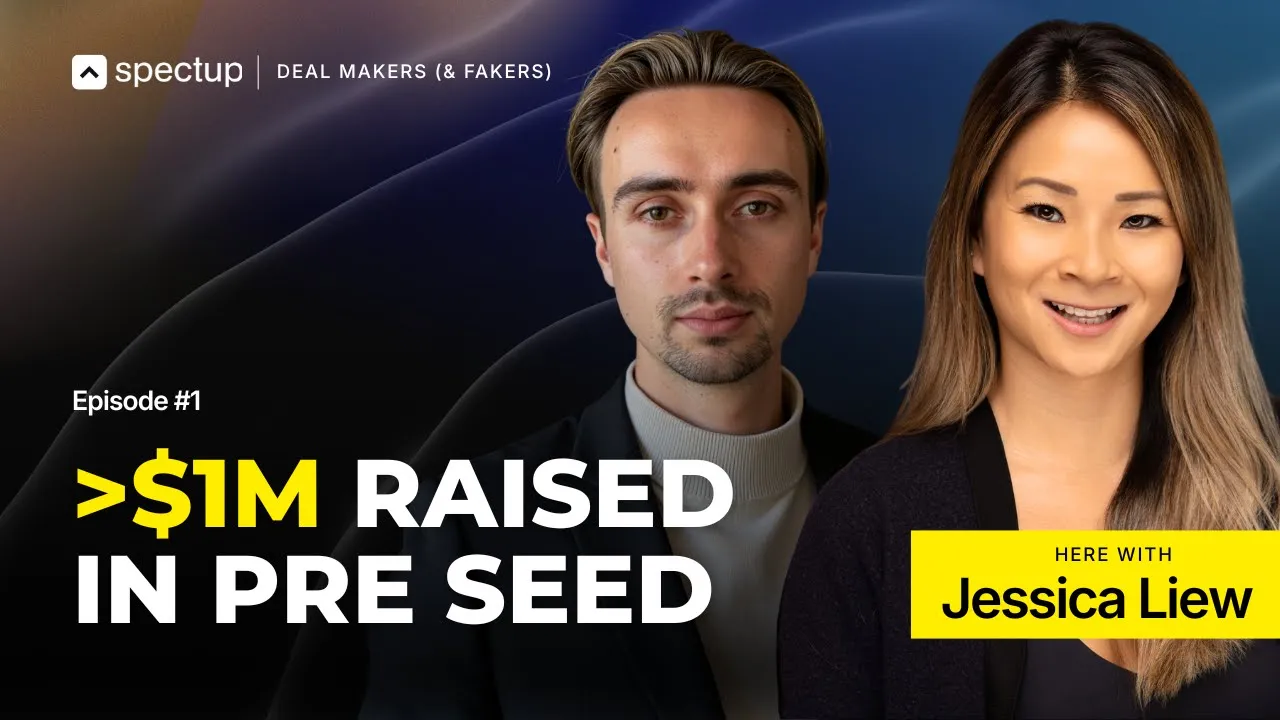
I sat with Jessica Liew and this is how she stacked cold outreach for investors, how she moved from random pitching to a CIA-level targeting strategy that closed her $1M+ pre-seed round. Watch the full breakdown here.
How to know when you're ready to open a fundraise
You're ready when you have 15–20 qualified investors identified, at least 5–7 existing warm relationships, and a clear sense of your tier-one target list. Not before.
The mistake is opening too early because you need capital now. Desperation is visible. Investors smell it.
If you're opening a process with a completely cold list and zero investor relationships, every investor knows you're in panic mode.
If you're currently in survival mode (runway, payroll pressure, customer commitments), this timing discussion is theoretical. But if you have runway, the math is simple:
Invest four weeks in list building and relationship seeding.
That four weeks determines whether your 12-week raise closes in 90 days or takes 180.
How spectup helps with tech investor targeting?
After running 30+ capital raises, the single biggest time sink is always investor list qualification and relationship strategy. Most founders build lists and start outreach in the wrong order: they qualify on the fly, waste three months on investors who can't write the check, then panic.
We reverse that. We start with deal history backtracking, build a qualified target list (20–25 names instead of 200), then run the relationship and outreach strategy. Focus on investors actively deploying in your specific category, stage, and geography.
That's what financial modeling and investor targeting work together accomplish. spectup's investor outreach service structures this entire process: list qualification, relationship building strategy, outreach methodology, and diligence support. If you're raising and want an outsider's view on which investors belong on your list, reach out.
Concise Recap: Key Insights
They aren't a monolith.
AI funds, deep tech funds, climate investors, and corporate VCs are competing for different outcomes. Mistaking one for another wastes months of outreach. Qualify on specifics, not category labels.
Deal history reveals what websites hide
Most investor websites are outdated. Track their actual deals from the last 18 months, that's the only signal for who's actually deploying.
Start relationships six months early
Cold outreach converts at 3–5%. Warm outreach from founders who've been sharing progress converts at 30–50%. By the time you open a round, your best leads should already know you.
Frequently Asked Questions
What is a Tech Investor?
A tech investor backs technology companies, but the label covers a wide range: AI-focused VCs, deep tech funds, climate tech investors, corporate venture arms, and sector-agnostic growth funds. Each has different thesis parameters, check sizes, and diligence standards. The label tells you almost nothing useful on its own.